In 2026, determining whether the Dhaka real estate market is a buyer’s or seller’s market is crucial. It helps all market players, including investors, homeowners, developers, and Non-Resident Bangladeshis (NRBs), to make relevant and beneficial decisions.
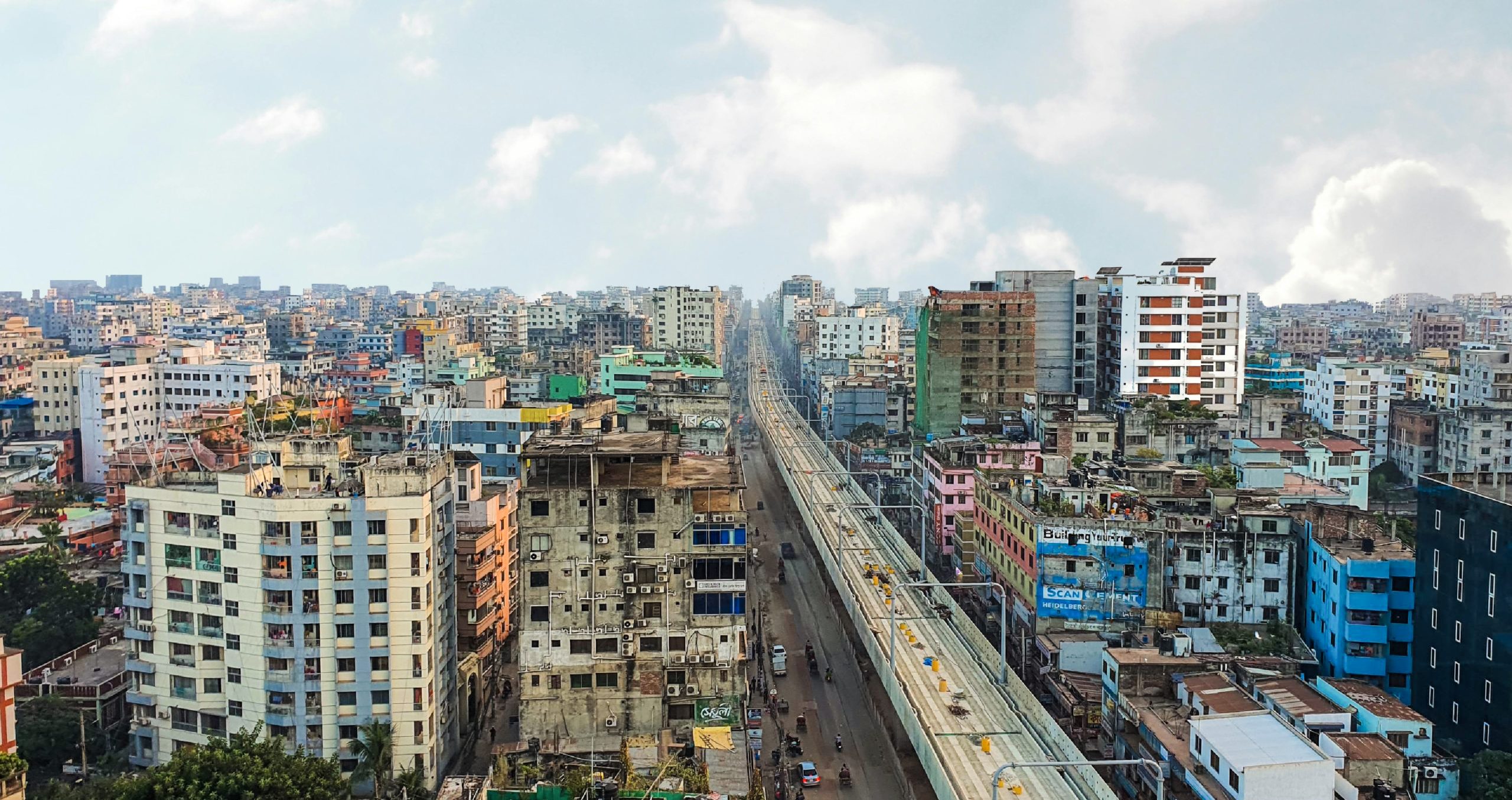
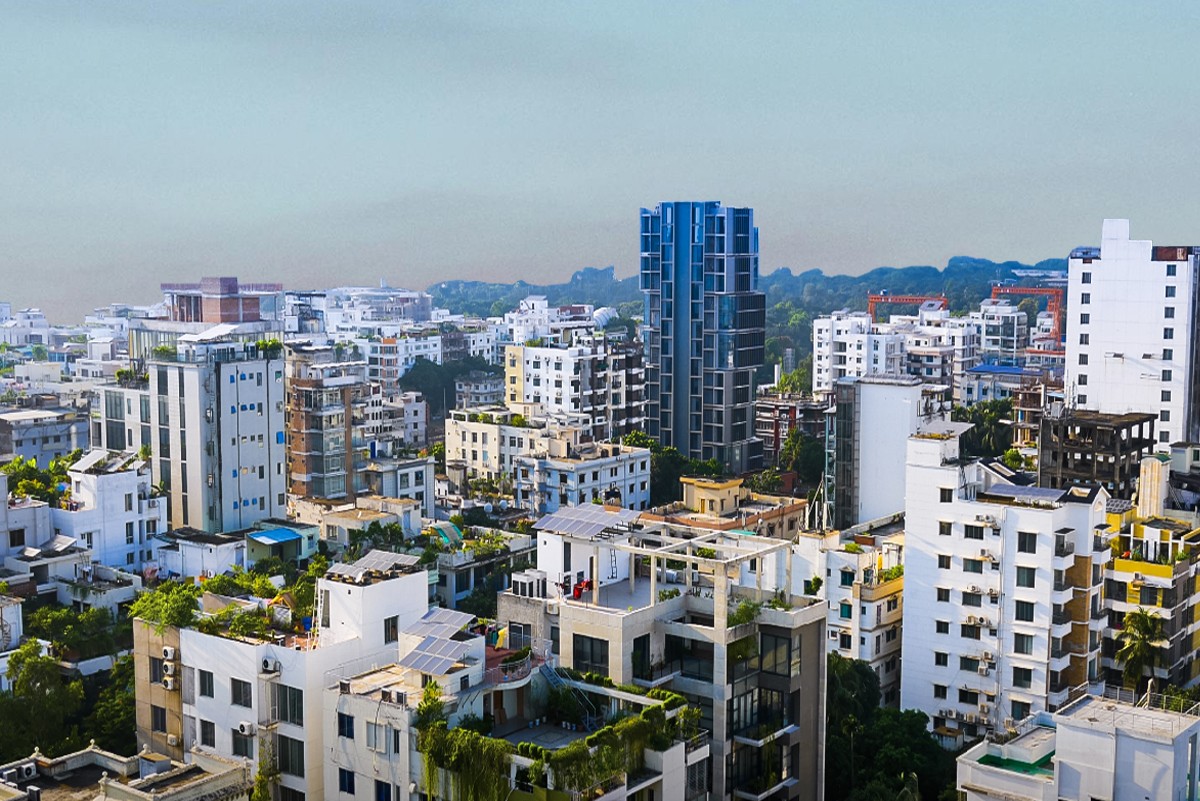
Dhaka, located in Bangladesh, is one of the fastest-growing megacities in the world. With the city’s population expanding and rapid urbanization, there has been significant growth in the city’s structures. With all of these recent updates, there are some challenges. These issues are:
- Construction costs have increased.
- Premium zones have seen Rising Prices.
- There is an affordability gap with buyers.
- There has been a mid-range housing oversupply.
The Bangladesh Bureau of Statistics has stated that the urban population in Dhaka grows by 3% every year. The growing population of Dhaka has increased demand for housing, which developers have met. The rapid construction of apartments has been prominent in the areas of Bashundhara, Mirpur, and Uttara. This has greatly impacted the real estate cycle in Bangladesh.
Understanding Buyer’s Market vs Seller’s Market (Dhaka Context)
To accurately analyze the Dhaka buyer’s vs. seller’s market, we must first understand the fundamental concepts and then apply them locally.
What is a Buyer’s Market?
A buyer’s market occurs when supply exceeds demand, giving buyers greater control over pricing and negotiations. Signs of a Buyer’s Market:
- The availability of apartments in Dhaka is high.
- Slower growth in property prices
- Extended selling timelines
- Developer payment plans become more flexible.
- Further discounts become available alongside negotiation opportunities.
In such conditions, buyers can:
- Negotiate prices with more intensity.
- Have options when selecting a property.
- Expect better amenities
What is a Seller’s Market?
A seller’s market occurs when demand exceeds supply, giving sellers the advantage. Signs of a Seller’s Market:
- Rapid increase in property prices
- Limited availability of premium flats
- Faster property sales
- Reduced negotiation flexibility
In this situation:
- Sellers can set higher prices.
- Buyers compete for limited inventory.
Dhaka’s Unique Hybrid Market Structure
Unlike Western markets, the Dhaka real estate market does not behave uniformly. Instead, it is segmented:
| Segment | Market Type |
| Luxury (Gulshan, Banani) | Seller’s Market |
| Mid-range (Bashundhara, Uttara) | Balanced |
| Affordable (Mirpur, outskirts) | Buyer’s Market |
This is why segmentation is an important feature of the real estate market analysis for Bangladesh. It demonstrates the market’s complexity but highlights the abundance of opportunities.
Current Overview of Dhaka Property Market Trends (2026)
The property market in Dhaka in 2026 has shown signs of steady growth and gradual stabilization. Demand for housing is estimated at 120,000 units annually, of which around 40% unfulfilled, while urban growth is at 3–3.5% (World Bank), and as per the Real Estate and Housing Association of Bangladesh. Apartments are priced between BDT 7,000 and 25,000 per sq ft. Construction costs have hiked up 30%–40% over the last five years. Even with strong demand, market conditions are shifting to accommodate more buyers, as demand and supply, along with developer competition, are driving price growth, leading to affordability issues.
Key Indicators to Determine Dhaka’s Market Type
To accurately assess whether Dhaka is a buyer’s or seller’s market, we analyze four critical indicators:
Property Price Trends Dhaka (2018–2026)
Property prices are one of the strongest indicators of market direction.
Price Trend Table
| 2018 | 6,000 – 15,000 | — |
| 2019 | 6,200 – 16,000 | +5% |
| 2020 | 6,500 – 18,000 | +8% |
| 2022 | 7,000 – 22,000 | +12% |
| 2024 | 7,500 – 24,000 | +10% |
| 2026 | 8,000 – 25,000 | +5–7% |
Analysis
- Prices continue to rise, just not as fast.
- There are still areas within city limits experiencing rapid price increases.
- Areas with average pricing are experiencing price increases that have plateaued.
Interpretation:
- Seller advantage is weakening.
- The market is moving toward balance.
Real Estate Supply and Demand in Bangladesh
The balance between supply and demand is crucial in determining property negotiation power in Bangladesh.
Supply vs Demand Analysis
| Factor | Current Status | Market Impact |
| Housing demand | Very High | Seller advantage |
| Apartment supply | Increasing rapidly | Buyer advantage |
| Land availability | Extremely limited | Seller advantage |
| Developer competition | High | Buyer advantage |
Insight
- Demand is high, which sustains pricing.
- Supply is increasing, which gives opportunities for buyers.
This explains the mixed signals that have resulted in a balanced market.
Days on Market (DOM) in Dhaka
Days on Market (DOM) indicates how long it takes properties to sell and is a key measure of market strength. In Dhaka, selling times vary significantly by area—ranging from 2–4 months in Gulshan and 3–5 months in Banani, to 5–8 months in Bashundhara, 6–9 months in Uttara, and up to 6–10 months in Mirpur.
This trend shows that properties in premium areas sell faster, giving sellers an advantage, while longer selling periods in mid-range and affordable areas signal a buyer-friendly market. Overall, the increasing DOM across most locations suggests that buyers are gaining more negotiation power in 2026.
Rental Yield & Property ROI Bangladesh
The rental yield is a key indicator for real estate investment in Dhaka.
Rental Yield Comparison
| Area | Rental Yield |
| Gulshan | 4%–5% |
| Banani | 4%–5% |
| Uttara | 5%–6% |
| Mirpur | 6%–7% |
Insight
- Higher yields in suburban areas
- Better ROI for buyers in mid-range zones
Investors benefit more in buyer-favorable markets.
Area-Wise Breakdown: Buyer vs Seller Power in Dhaka (2026)
Across different areas of the Dhaka real estate market, the dynamics of the buyer-seller market can vary considerably because supply and demand differ from one location to another. Areas like Gulshan and Banani sustained strong seller’s markets because demand is high while supply, particularly in the premium/luxury market, is low. On the other hand, Bashundhara is a case of a balanced market with supply growing, giving buyers more choices as demand remains constant.
Meanwhile, areas such as Uttara and Mirpur clearly show buyer’s market conditions, driven by oversupply and a surplus of affordable housing, which increases buyers’ negotiating power. On the other hand, Purbachal is emerging as a buyer-friendly market with strong future growth potential, where current supply and ongoing development create attractive entry opportunities for investors.
Premium vs Mid-Range vs Affordable Segments
Premium Property Dhaka (Seller Dominated)
Seller-controlled properties in Gulshan and Banani are:
- Limited available land
- Buyers with high socioeconomic status
- High demand from Non-Resident Bangladeshis (NRB)
Mid-Range Apartments in Dhaka (Balanced)
- Bashundhara
- Uttara
These regions reflect:
- Supply in moderation
- Price Competition
Affordable Housing (Buyer Dominated)
- Mirpur
- Outskirts
These areas offer:
- More options
- Higher negotiation power
Is Dhaka a Buyer’s or Seller’s Market?
After analyzing price trends, supply-demand dynamics, rental yields, and area-wise segmentation, we now consolidate everything into a data-driven market scorecard—a key differentiator that most competitor blogs lack.
Dhaka Real Estate Market Scorecard (2026)
| Indicator | Buyer Advantage | Seller Advantage | Current Status |
| Housing Supply | Yes | No | Buyer |
| Housing Demand | No | Yes | Seller |
| Price Growth Trend | No | Yes | Slight Seller |
| Negotiation Power | Yes | No | Buyer |
| Time on Market | Yes | No | Buyer |
| Land Scarcity | No | Yes | Seller |
| Rental Yield | Yes | No | Buyer |
| Construction Costs | No | Yes | Seller |
What This Means in Practical Terms
- Buyers can negotiate better deals in many areas.
- Sellers still hold the upper hand in premium zones.
- Investors have opportunities in emerging locations.
This hybrid condition reflects a maturing real estate cycle in Bangladesh.
Economic Factors Influencing the Dhaka Real Estate Market
Macroeconomic forces play a critical role in shaping the Dhaka property market trends.
Inflation Impact on Real Estate in Bangladesh
Thnflation has been one of the most significant drivers of property price changes in recent years.
Inflation Trends (Bangladesh)
| Year | Inflation Rate |
| 2020 | ~5.6% |
| 2022 | ~7.7% |
| 2024 | ~9% |
| 2025 | ~8% |
Source: Bangladesh Bank
Impact on Real Estate
- Increased cost of construction materials
- Higher property prices
- Reduced affordability for buyers
Key Insight:
Inflation tends to favor sellers (higher prices), but also reduces demand, indirectly empowering buyers.
Interest Rates in the Bangladesh Housing Market
Interest rates directly influence home loan affordability.
Housing Loan Interest Rates
| Year | Avg Home Loan Rate |
| 2020 | 8%–9% |
| 2022 | 9%–10% |
| 2024 | 10%–12% |
| 2026 | 9%–11% |
Analysis
- Higher interest rates reduce a buyer’s purchasing power.
- Lower demand slows price growth.
This creates buyer-friendly conditions, especially in Dhaka’s secondary property market.
Construction Cost Trends Dhaka
The construction cost escalation has been a major factor shaping pricing strategies.
Construction Cost Increase (2020–2025)
| Component | Increase |
| Steel | +30%–40% |
| Cement | +20%–30% |
| Labor | +15%–25% |
| Overall Cost | +30%–40% |
Impact on Market
- Developers charge higher selling prices.
- New projects get pricier.
- The secondary market is more appealing.
This increases the strengths of resale property buyers.
Government Policies & Regulatory Impact
Government policies significantly influence the real estate supply and demand in Bangladesh.
Role of RAJUK in Dhaka Real Estate
Urban development in Dhaka is largely controlled by the RAJUK, which, in addition to overseeing construction codes, also oversees land-use planning and the approval of planning projects. Because of these responsibilities, the RAJUK has a direct. control of the real estate availability in Dhaka. The stringent approval mechanisms and processes control the development of new construction and also project delays. The loss of construction time due to project delays increases property values.
Taxation & Property Registration Bangladesh
Property deals in Bangladesh are costly, which determines how the market will behave. For example, registration fees are 6%-7%; stamp duty is 3%-5%; and VAT and other miscellaneous charges are 1%-2%. When all these fees are combined, the total transaction costs range from 10% to 14% of the property’s value.
Market Insight
These high transaction costs make people less likely to buy frequently and/or sell. To some extent, these costs make people more cautious in their decision-making. As a result, there is less speculation, making the real estate market in Dhaka more balanced and stable.
Legal Considerations: Property Laws in Bangladesh
For both buyers and sellers in Bangladesh, Knowledge of Bangladesh’s property laws is vital as it protects them during their transactions. Bangladesh’s real estate sector is mainly regulated by the government, RAJUK (City Planning and Development Authority), and other law-enforcement agencies that oversee land use, approvals, and property registration.
Real Estate Legal Checklist Bangladesh
Before buying or selling property, ensure:
- Title Verification: Confirm legal ownership & Check past transactions
- RAJUK Approval Importance: Ensure project compliance & Avoid illegal constructions
- Mutation Documents: Land ownership transfer record
- Property Registration Bangladesh: Legal transfer through the government registry.
Why Legal Compliance Matters
Legal-related issues will always exist for the real estate market in Dhaka. They protect potential victims of fraud and promise to resolve ownership disputes. Legally verified properties sell more quickly and fetch higher prices. Verified properties sell more quickly and attract serious buyers, meaning sellers gain a competitive advantage.
NRB Property Investment Bangladesh: A Key Market Driver
Legal-related issues will always exist for the real estate market in Dhaka. They protect potential victims of fraud and promise to resolve ownership disputes. Legally verified properties sell more quickly and are of more value. Verified properties sell more quickly and attract serious buyers, meaning sellers gain a competitive advantage.
Secondary Property Market Dhaka vs Primary Market
The secondary property market in Dhaka is gaining importance in 2026.
Primary vs Secondary Market Comparison
| Factor | Primary Market | Secondary Market |
| Price | Higher | Lower |
| Negotiation | Limited | High |
| Availability | Limited | Wide |
| ROI | Moderate | Higher |
| Delivery Time | Delayed (often) | Immediate |
Key Insight: The secondary market strongly favors buyers. This is where platforms like Starpath Property Exchange create major value.
Emerging Trend: Shift Toward Buyer-Centric Market Segments
The Dhaka real estate market is gradually shifting toward a more buyer-centric environment, driven by several key trends. Increasing apartment supply across mid-range and suburban areas is giving buyers more choices, while slower price growth is reducing urgency and allowing better negotiation.
At the same time, higher buyer awareness—fueled by market research and transparency—and the rise of digital property platforms are empowering buyers to make more informed decisions. Together, these factors are strengthening buyer influence in many segments of the market.
Area-Wise Deep Investment Analysis: Where is the Real Opportunity?
To truly understand the Dhaka real estate market buyer or seller dynamics, you must go beyond general trends and examine how different areas within the city behave. Dhaka is not a uniform market—instead, it is a collection of micro-markets, each shaped by demand, infrastructure, pricing, and buyer affordability.
This is why a buyer may have strong negotiation power in one location but face intense competition in another. For investors and homeowners, understanding these area-specific dynamics is essential to making the right decision in 2026.
Premium Areas: Seller-Dominated Markets
Premium neighborhoods continue to operate as strong seller-controlled zones due to limited land availability and consistently high demand.
Gulshan & Banani
Located in the heart of Dhaka, Gulshan and Banani are among the most prestigious residential and commercial areas, attracting HNIs, multinational companies, diplomats, and NRBs. Due to extremely limited land supply and consistently high demand, property prices remain elevated. As a result, these areas operate as a clear seller’s market, where properties sell relatively quickly, and sellers hold strong pricing power.
Key Market Snapshot
| Factor | Status |
| Demand | Very High |
| Supply | Limited |
| Price Range | BDT 20,000–35,000/sqft |
| Market Type | Seller’s Market |
Investment Perspective
For investors, Gulshan and Banani offer:
- Strong long-term capital appreciation
- Stable rental demand
- Lower risk compared to emerging areas
However, buyers should be aware that:
- Prices are significantly higher
- Negotiation opportunities are limited
In short, these areas are ideal for wealth preservation rather than bargain buying.
Mid-Range Areas: Where Buyers and Sellers Compete
The mid-range area is the most dynamic part of the Dhaka buyer’s vs seller’s market, where neither side has full mastery. These areas are marked by developing supply, booming demand, and increasing rivalries among the developers.
Bashundhara Residential Area
Because of the modern road systems and schools near gated communities, Dhaka’s Bashundhara has become desirable for housing, especially for middle- and upper-middle-class income groups. With the development of new apartments, buyers have a greater variety of housing options, and the market has become more balanced compared to premium housing areas.
Market Snapshot
| Factor | Status |
| Demand | High |
| Supply | Increasing |
| Price Range | BDT 8,000–15,000/sqft |
| Market Type | Balanced |
Market Insight
Bashundhara customers now have
- more options for buying properties
- better opportunities for price comparison
- more opportunity for negotiation
The demand is still strong enough that prices will not drop. This means both buyers and sellers have to make calculated moves.
Uttara
Uttara is a well-planned residential area in Dhaka, experiencing rapid growth due to new sectors, improved connectivity, and proximity to the airport. However, increased construction has led to oversupply in mid-range apartments, shifting the market in favor of buyers.
Market Snapshot
| Factor | Status |
| Demand | Moderate |
| Supply | High |
| Price Range | BDT 7,000–12,000/sqft |
| Market Type | Buyer’s Market |
Why Buyers Have the Advantage
- Developers competing to sell inventory
- Flexible payment plans and discounts
- Longer selling periods
For buyers, Uttara represents one of the best opportunities to negotiate and secure value deals in 2026.
Affordable Areas: Strong Buyer’s Market Signals
It’s easy to lose sight of the Characteristics of a Buyer’s Market when talking about Affordable Housing. These areas report high supply, moderate demand, and growth. level of competition for the seller.
Mirpur
Mirpur is one of the most densely populated places in Dhaka and has recently become the center of affordable housing. There have been many apartment constructions in the area. Because of the high supply, buyers have plenty to choose from and can negotiate better.
Market Snapshot
| Factor | Status |
| Demand | Moderate |
| Supply | Very High |
| Price Range | BDT 5,000–9,000/sqft |
| Market Type | Buyer’s Market |
Investment Insight
Mirpur presents:
- Strong rental interest
- Rental prices below market averages
- Good room for negotiations
On the bright side, buyers can also look for:
- Quality construction
- Good Developer
- Legal verification
For rental investors and first-time buyers, this area is ideal.
Emerging Areas: Future Growth and Buyer Advantage
Emerging zones represent the future of the Dhaka real estate market and are currently among the most attractive options for long-term investment.
Purbachal New Town
Purbachal is a large planned township developed by RAJUK, featuring modern infrastructure and strong future growth potential. As development is still ongoing, supply currently exceeds immediate demand, creating a buyer-friendly market with good long-term investment opportunities.
Market Snapshot
| Factor | Status |
| Demand | Growing |
| Supply | Increasing |
| Price Range | BDT 6,000–12,000/sqft |
| Market Type | Emerging Buyer’s Market |
Investment Perspective
Mirpur presents:
- Strong rental interest
- Rental prices below market averages
- Good room for negotiations
On the bright side, buyers can also look for:
- Quality construction
- Good Developer
- Legal verification
For rental investors and first-time buyers, this area is ideal.
Comparative ROI Analysis Across Dhaka
Understanding property ROI in Bangladesh is essential for making informed investment decisions. Different areas offer varying returns depending on price levels, rental demand, and growth potential.
ROI Comparison Table
| Area | Rental Yield | Appreciation Potential | Investment Score |
| Gulshan | 4%–5% | Medium | 7/10 |
| Banani | 4%–5% | Medium | 7/10 |
| Bashundhara | 5%–6% | High | 8.5/10 |
| Uttara | 5%–6% | High | 8/10 |
| Mirpur | 6%–7% | Medium | 8/10 |
| Purbachal | 4%–5% | Very High | 9/10 |
Key Takeaways
- The highest rental returns are found in Mirpur
- Best appreciation potential lies in Purbachal
- Balanced investment opportunities exist in Bashundhara and Uttara
This clearly shows that buyers can maximize returns by targeting buyer-friendly markets with growth potential
Best Areas to Invest in Dhaka (2026)
Based on the data and trends, the top investment areas in 2026 are:
- Purbachal for future growth
- Bashundhara for balanced opportunities
- Uttara for negotiation advantage
- Mirpur for rental income
- Gulshan for long-term premium value
Expert Predictions: Dhaka Real Estate Market (2026–2030)
The Dhaka property market is expected to grow steadily at around 6% in 2026, rising to 7%–8% by 2030. Suburban expansion, gated communities, modern apartments, and better infrastructure will drive growth. Overall, Dhaka will remain a high-demand market with increasing buyer influence in mid-range housing.
Strategic Decision: Should You Buy or Sell in 2026?
In 2026, the Dhaka real estate market buyer or seller situation depends heavily on your position.
For Buyers
Buyers are currently in a strong position in many areas due to:
- Increased supply
- Slower price growth
- Higher competition among sellers
This makes 2026 one of the best times to buy property in Dhaka, especially in mid-range and emerging areas.
For Sellers
Sellers can still benefit from:
- Premium locations
- High-demand zones
However, they must:
- Price competitively
- Adapt to changing buyer expectations
Strategic Role of Starpath Property Exchange in Dhaka’s Market
As the Dhaka real estate market buyer or seller dynamics evolve, buyers and sellers increasingly depend on trusted platforms. Starpath Property Exchange, under Starpath Holdings Ltd., helps connect both sides with verified listings and transparent market insights.
In 2026, the market is more data-driven, with buyers demanding transparency, sellers focusing on value, and investors prioritizing ROI. Starpath supports this shift by offering verified properties, legal checks, and expert guidance—making it easier for buyers to find real value and for sellers to reach serious clients.
Advanced Decision Framework: Buyer vs Seller Strategy
To simplify the Dhaka buyer’s vs seller’s market decision, here is a practical framework. If You Are a buyer, you should consider buying now if:
- You are targeting mid-range or emerging areas
- You want negotiation flexibility
- You are investing for long-term growth
Buyer Strategy Framework
| Condition | Recommended Action |
| High supply area | Negotiate aggressively |
| Stable price trend | Buy strategically |
| Emerging area | Invest early |
| High interest rates | Compare financing options |
If You Are a seller, you should consider selling now if:
- Your property is in a premium location
- Demand remains strong in your area
- You want to capitalize on past price growth
Seller Strategy Framework
| Condition | Recommended Action |
| Premium location | Sell confidently |
| High competition | Price competitively |
| Slow market | Improve marketing |
| Buyer negotiation | Stay flexible |
The Dhaka real estate market is evolving rapidly, and making the right decision now depends on having the right guidance and timing. Whether you are planning to buy a flat in Dhaka, sell your property at the best possible price, or invest in high-ROI real estate, acting strategically in 2026 is more important than ever.
With strong expertise in the Dhaka real estate market, Starpath Property Exchange helps buyers and sellers access verified apartments, secure better deals in the secondary property market, receive expert investment advice, and ensure full legal compliance with transparency.
Ultimately, the Dhaka real estate market buyer or seller debate comes down to strategy, location, and timing. In 2026, buyers will have more opportunities than before, sellers must become more competitive and value-driven, and investors can benefit from both sides of the market. Those who understand these dynamics and act wisely will be the ones who gain the most in this evolving market.
FAQs:
1. Is Dhaka a buyer’s market now?
Ans: Dhaka is currently a balanced market, but buyers have an advantage in mid-range and suburban areas where supply is higher.
2. Will property prices fall in Bangladesh?
Ans: Property prices are unlikely to fall significantly due to strong demand and land scarcity, but growth has slowed, creating better opportunities for buyers.
3. What are the signs of a buyer’s market in Dhaka?
Ans: Key signs include – High apartment supply, Longer selling periods, and Increased negotiation opportunities
4. What are the best areas to invest in Dhaka in 2026?
Ans: Top areas include – Purbachal for future growth, Bashundhara for balanced investment, and Uttara for buyer-friendly pricing
5. Is 2026 a good time to buy property in Dhaka?
Ans: Yes, 2026 is considered a favorable time for buyers, especially in mid-range and emerging markets.